

Gum disease is an incredibly common problem faced by dental patients across the United States. An estimated 47% of Americans are experiencing this condition in some form. The condition generally develops quietly, and many people don’t realize that they’re dealing with it until they’re plagued by constant, heavily bleeding gums and major inflammation.
However, when you have gum disease, time is of the essence. You want to ensure you can catch the earliest warning signs to protect yourself from developing more severe periodontal disease. Thankfully, if you know what these early warning signs are, you can turn to your dental team immediately for essential support.
If you believe you may be dealing with the earliest signs of gum disease and want to learn more about the condition and what to look for, keep reading.
Understanding the Stages and Causes of Gum Disease
Gum disease, also known as periodontal disease, is a bacterial infection that occurs in your gum tissue, and can impact the underlying bone. In its earliest stages, this condition is characterized by mild inflammation. However, in more extreme cases, it can contribute to your tooth loss. The condition is measured in stages, and they go as follows:
- Stage 1, Gingivitis: In this stage, you would have 3 to 4 millimeter deep gum pockets, and experience red, swollen, and bleeding gums. This stage of gum disease is the only stage in which your symptoms are reversible.
- Stage 2, Mild Periodontitis: Once you’re in stage 2 periodontitis, you have gum pockets that are 4 to 5 millimeters deep. Your gums may begin to pull away from your teeth, and the condition is no longer reversible.
- Stage 3, Moderate Periodontitis: Your gum pockets are 5 to 7 millimeters deep at this point, the tissue is incredibly tender and bleeds easily, and you will begin experiencing noticeable gum tissue and bone loss.
- Stage 4, Advanced Periodontitis: You are experiencing gum pocket depths beyond 7 millimeters, are experiencing severe bone destruction that compromises tooth stability, and the bacteria in your mouth may enter your bloodstream.
There are a few common causes of periodontal disease, including poor oral hygiene habits, frequent tobacco use, plaque and tartar buildup, and factors like genetics, diabetes, hormonal changes, and some medication use. The best way to determine the cause of your periodontal disease is by turning to your dental team for a comprehensive exam.

The Silent Warning Signs of Periodontal Disease You Shouldn’t Ignore
Because you have a very small window in which your gum disease can be reversed, it is absolutely critical that you know what signs to look out for. However, it is known as a silent disease, generally building up quietly and slowly until you’re dealing with more significant discomfort. Some of the most common “silent” symptoms you’ll experience when developing gingivitis include:
- Bleeding Gums: The most common symptom you will experience is bleeding when brushing or flossing. Unless you have accidentally cut your gum tissue, they should not bleed during your everyday oral hygiene routine.
- Chronic Bad Breath: When you have early stage periodontal disease, you may have bad breath that you cannot seem to get rid of, no matter how frequently or well you are brushing and flossing.
- Receding Gums: If your teeth look a bit longer than they previously were or you notice your gum tissue slowly pulling away from your teeth, this is a sign that you are experiencing periodontal disease.
- Swollen Gums: When you notice a change in the color of your gums (from a light pink to red) or unexplained swelling of your gum tissue, this is an indication that there is a problem that should be addressed by a dentist.
If you are experiencing any of these symptoms, it is time to reach out to a trusted dental team to schedule an appointment. They can identify the cause of your problems and help you treat and heal your gum tissue.
What Happens When Gum Disease Goes Untreated?
If you’re experiencing gum bleeding or a bit of increased sensitivity, you may find yourself considering skipping out on professional dental care. How detrimental could it truly be to skip professional care and instead attempt to treat them at home? While it seems like a simple fix, failing to seek professional treatment for your gum disease isn’t so straightforward.
You may struggle to find the results you’re hoping to achieve. Much of the debris that is irritating your gum tissue is located beneath the gumline, or may be too difficult or impossible to remove with simple brushing and flossing. What results from this inadequate treatment is the continued worsening of your periodontal disease symptoms.
What once may have been gingivitis can quickly evolve into periodontitis. Not only will this compromise the health of your gum tissue, but it can also majorly impact the structural support for your teeth and underlying bone health. While it may be tempting to skip out on your teeth cleaning, it’s always best to reach out for immediate support to avoid future complications.
How Dentists Diagnose and Treat Gum Disease
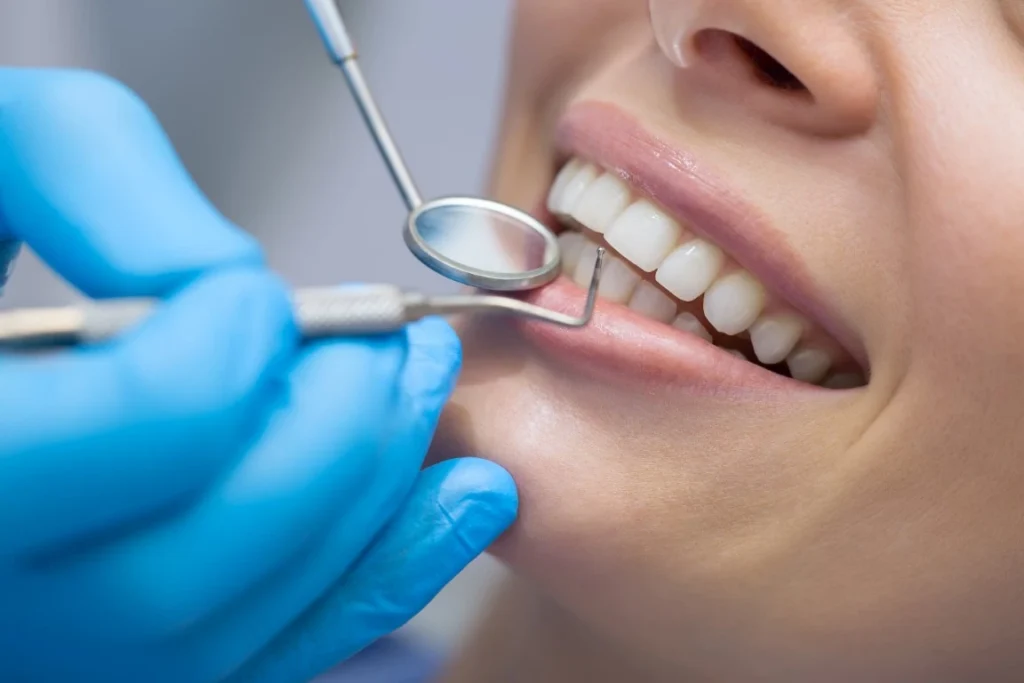
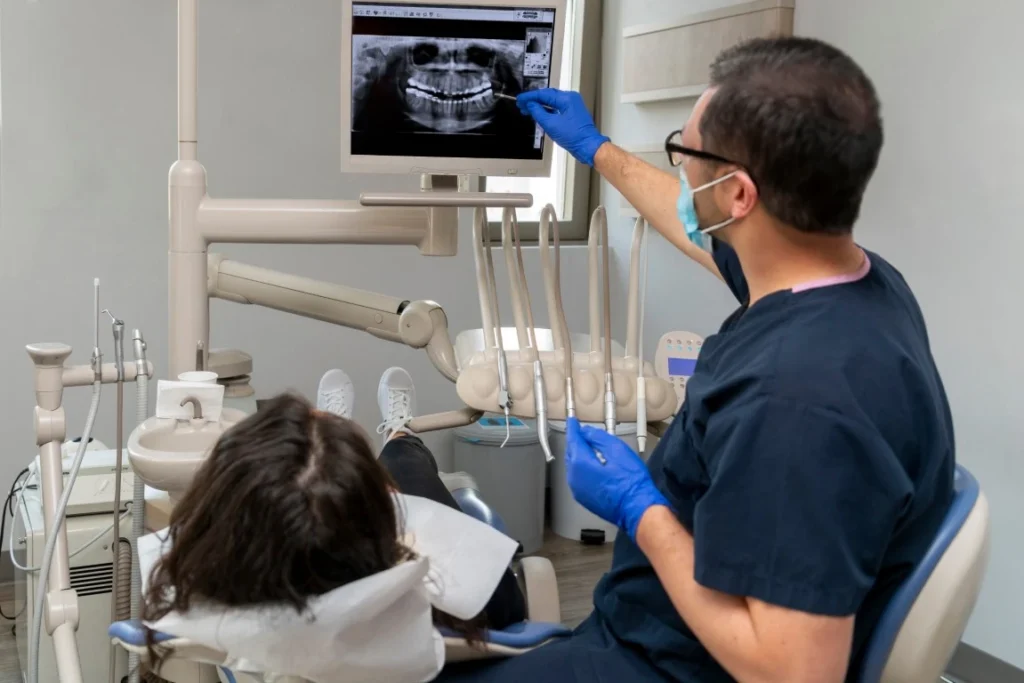
While you might believe you’ve developed gum disease, you may not know exactly what your dentist is going to do to treat this. How can your team address symptoms like gum bleeding, sensitivity, and irritation? Every appointment will begin with a visual exam of your gum tissue, and an X-ray to determine if there is calculus buildup beneath your gum.
From there, your dental hygienist will measure the depth of your gum pockets. With your X-rays, visual exam, and gum tissue measurements, your dental team will be able to determine the severity of your periodontal disease. At this point, they will begin to craft the most comprehensive treatment plan for your exact situation.
For many patients with the earliest stages of gingivitis, the appointment will conclude with a simple cleaning. However, individuals with more extensive buildup, you may need a comprehensive scaling and root planing. This service removes tough buildup from the teeth and beneath the gumline, allowing the gums to reattach to the teeth.
Simple Steps for Protecting Your Smile from Periodontal Disease
Once you’ve treated your gum disease, you want to ensure you’re doing everything in your power to protect yourself against future problems. Taking care of your gums after treatment can be incredibly simple, but you have to be committed to consistent care. If you want to avoid future gum disease complications, make sure to incorporate the following into your routine:
- Maintain a comprehensive oral hygiene routine, including brushing twice daily and flossing at least once a day.
- Incorporate an antimicrobial oral rinse into your routine to help reduce the amount of bacteria in your mouth.
- Stick to a nutrient-rich diet and limit your consumption of sticky, chewy, or hard candies, snacks, and drinks.
- Limit or completely eliminate your use of tobacco products that otherwise increase your risk of developing gum disease.
- Schedule professional dental cleanings every six months, or more frequently if recommended by your dental professionals.
Turn to Fletcher Family Dental for Expert Support Today
If you believe you’re dealing with the earliest stages of gum disease and are looking for a reliable dental team to support you through your recovery, turn to Fletcher Family Dental for support. Our team is committed to providing patients across the Fletcher, NC, area with comprehensive care, from cleanings and periodontal disease treatment to bridges, veneers, crowns, and more. When you partner with our experts, you can trust that we’ll be here to support you, no matter where you are in your dental journey.
If you would like to learn more about our team or schedule an appointment with us to begin treating your tender, swollen, or bleeding gums, contact our team today by filling out our online contact form or call us at 828-674-8199.