
Every day, you spend your morning and evening in front of the bathroom sink, methodically brushing and flossing your teeth. However, while you’re performing this essential oral hygiene practice, you may find yourself experiencing a bit of bleeding. At first, your bleeding gums may not be of much concern. However, this can be a sign of a more substantial problem.
Understanding why you’re experiencing bleeding gums is essential for taking action and making a significant change in your oral health. In this blog, we’ll explore the most common causes of bleeding gums, lifestyle changes you can make to boost your gum health, and how your dental team can help aid in your recovery.
Why Do You Have Bleeding Gums?

While you might think experiencing bleeding gums while brushing and flossing is a normal part of your everyday oral hygiene routine, this is often an indication of a more significant problem. There are a few reasons why this may be occurring, including:
- Poor Flossing Habits: When you floss, you want to move the floss slowly between your teeth. If you aren’t careful or the floss moves between your teeth too quickly, the snapping force of string floss can cut your gums, resulting in bleeding.
- Aggressive Brushing: You should be mindful of the force you use when you brush your teeth. Brushing too aggressively can damage your delicate gum tissue, leading to bleeding, so it is best to use a light touch and minimal pressure.
- Hormone Changes: It isn’t uncommon for dental patients who have recently become pregnant, are going through puberty, or just started menopause to experience bleeding gums while brushing and flossing.
- Tobacco Use: Smoking, vaping, and the use of other tobacco products greatly compromises your gum health. If you’ve been using these products for quite some time, it isn’t uncommon to experience bleeding while caring for your teeth.
- Medication Use: Some medications, including blood thinners, are known for increasing bleeding while flossing. If this occurs, it is important that you speak to your doctor about this side effect and whether they want to change your prescription.
- Gum Disease: The most common cause of bleeding gums is gum disease. The earliest sign of gum disease, and the symptom almost all periodontal patients will experience, is bleeding gums, which should be treated by a dentist as soon as possible.

Is It Gingivitis or Periodontal Disease?
The difference between gingivitis and periodontal disease lies in the severity of the infection and the damage it has caused. The earliest stage of gum disease is gingivitis. Patients with gingivitis often experience red, swollen, and bloody gums, often while brushing or flossing. At this stage, the infection has not caused irreversible damage to the bone and tissues supporting your teeth.
It is reversible with improved oral hygiene and professional cleaning. However, if gingivitis is left untreated, it progresses to periodontal disease. This advanced stage involves the infection spreading below the gum line, leading to the destruction of the bone and ligaments that anchor your teeth. Signs of periodontitis include receding gums, persistent bad breath, pus between teeth and gums, and loose teeth.
While these signs can be alarming, only a dental professional can provide a definitive diagnosis through a comprehensive exam and measuring the pockets around your teeth. If you are experiencing any signs of gum disease, schedule an appointment with your dentist promptly for an accurate assessment and a personalized treatment plan.
The Importance of Prompt Professional Care
If you’ve recently noticed increased bleeding while brushing and flossing, you may simply ignore it and carry on with your existing oral hygiene routine. However, this might not be the best decision. Whether you’re experiencing bleeding gums as a result of poor oral hygiene habits or plaque buildup, it can get progressively worse without professional support.
By scheduling an appointment with your dentist as soon as the bleeding begins, you can address your gum problems head on. Your dentist can assess whether you need to make changes to your oral hygiene practices and recommend dental treatments, like scaling and root planing to alleviate gum irritation.
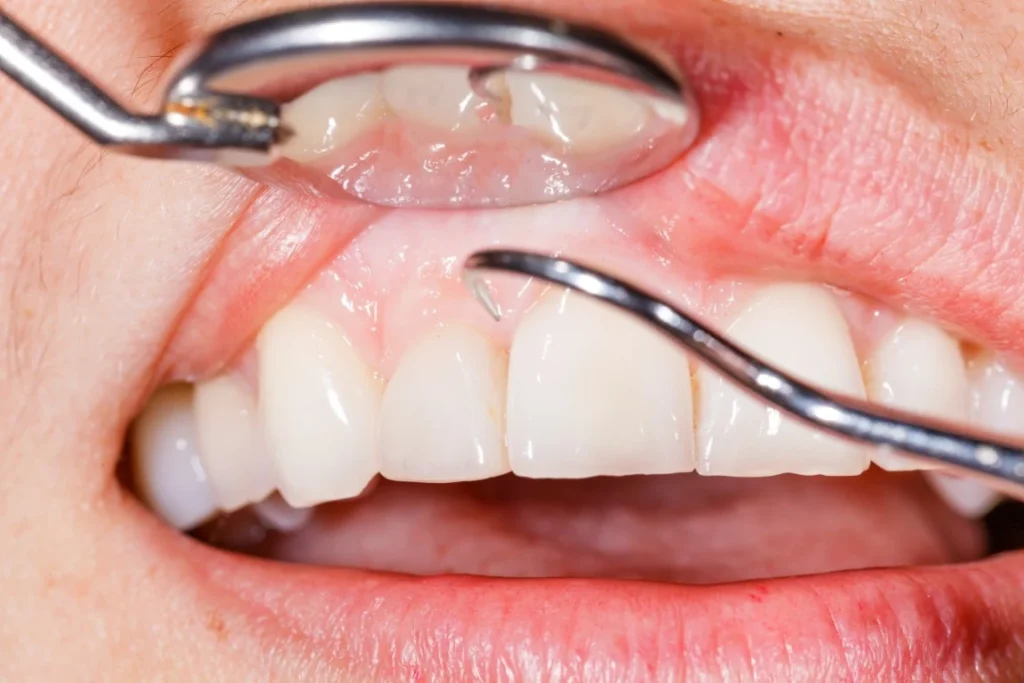
How Your Dentist Treats Gum Disease
When you’re dealing with gum disease, there are a few different services your dentist may recommend, depending on the severity of the disease. Some of the most common in-office treatments include:
- Professional Cleaning: If you have gingivitis, your dentist may recommend a simple cleaning to remove irritating plaque and tartar buildup.
- Scaling and Root Planing: For patients with more severe periodontal disease, your doctor will remove plaque and tartar below your gumline and smooth the roots to allow the gums to reattach.
- Antibiotic Prescription: In addition to their in-office care, your dentist may recommend an antimicrobial mouthwash or an oral antibiotic to control bacterial growth.
Lifestyle Changes to Boost Your Gum Health
In addition to the services you receive from your dentist, there are a few lifestyle changes you can make in your everyday life to improve your overall gum health. If you want to boost the efficiency of these services, make sure you are:
- Brushing your teeth twice daily, and flossing at least once a day.
- Limit your consumption of sugary foods and beverages.
- Drink plenty of water to rinse away harmful bacteria.
- Eat a vitamin rich diet to protect your teeth.
- Quit using tobacco products.
- Schedule regular exams with your dentist.
If you’re unsure whether the actions you’re taking at home are making a substantial change in your gum health, don’t hesitate to contact your dental team for support. They can also make lifestyle change recommendations during your appointment to ensure you’re making positive moves toward improved gum health.

Let Us Help You Improve Your Gum Health
If you’re struggling to stop bleeding gums, don’t go through this alone. Instead, turn to our team at Fletcher Family Dental for support. We know just how frustrating it can be to make significant changes to your gum health, which is why we offer comprehensive periodontal treatment. Whether you’re experiencing gingivitis or more advanced periodontal disease, trust that we can help you transform your oral health once and for all.
If you would like to learn more about how we can help you improve your gum health, don’t hesitate to contact us today.