

Dental emergencies can be incredibly stressful, especially when they occur to your children. While baby teeth fall out, the accidental loss of or damage to a tooth can be uncharted territory. As a parent, you may find yourself unsure what to do or whether it’s even right to reach out to your child’s dentist, especially if it is a baby tooth that was damaged.
While dental emergencies can be incredibly daunting, knowing what to do when they occur can help you keep your child calm and prevent unnecessary anxiety. Not all emergencies are created equal, so it is also crucial that you understand when you’re experiencing an emergency and when you don’t need to rush your child into the dentist.
In this blog, we’ll help you determine whether your child is experiencing a dental emergency and what you should do when facing dental emergencies to help you feel more confident and calm during this stressful time.
What is Considered a Dental Emergency for Children?
The first step in helping your child through dental emergencies is determining whether you’re facing an emergency at all. Not all pain is considered an emergency, so it is important to know when you need to reach out to your trusted dental team. If your child is experiencing any of the following, you likely have an emergency on your hands:
- Severe, ongoing toothaches
- Swelling of the jaw, cheek, or gums
- A fever, which may be a sign of an infection
- Uncontrolled gum, tongue, lip, or cheek bleeding
- Significantly damaged tooth, whether cracked or fractured
- Knocked-out teeth (While a knocked out baby tooth won’t usually be reimplanted, it is still best to call your dentist promptly to schedule an exam)
If your child isn’t experiencing any of those symptoms but is still experiencing a bit of discomfort, you should still reach out to the dentist. It may be best to schedule an appointment to ensure everything is okay and there isn’t a problem beneath the gums that you may not be able to see with the naked eye.
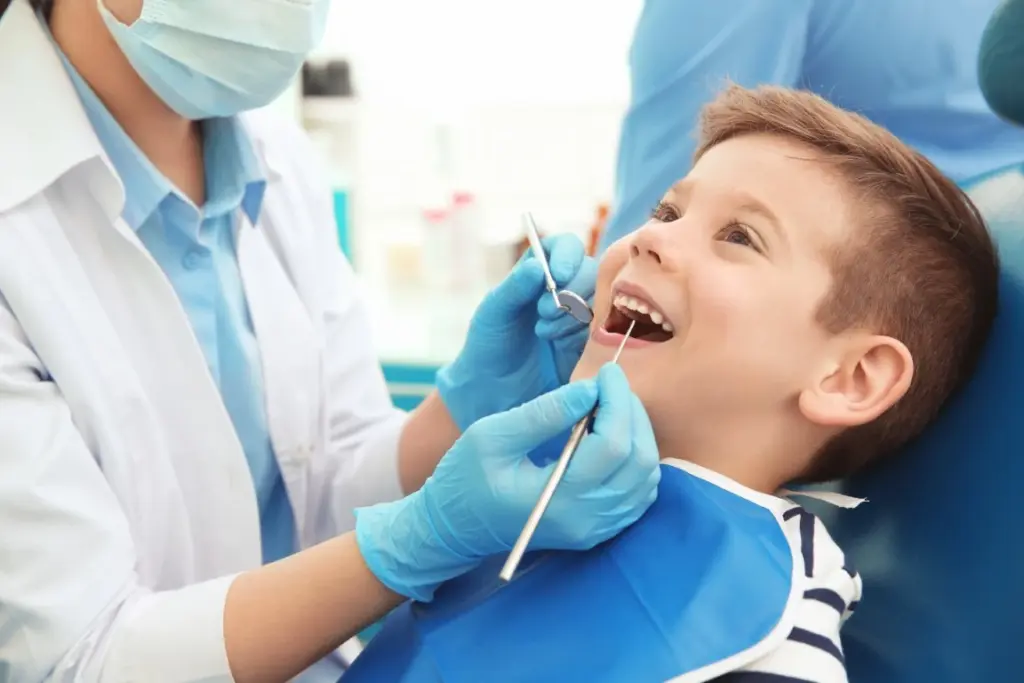
What Parents Should Do When Facing Dental Emergencies
When you are facing dental emergencies, the things you do immediately afterward can make all the difference in protecting the tooth. If your child is dealing with an emergency, do the following to keep them and their tooth safe before heading into the dentist:
- Pick up any dislodged teeth by the crown and clean it with a gentle stream of water or saliva. Do not scrub, as this can dislodge tissue (Only necessary for adult teeth).
- Reimplant the tooth into the socket by gently pushing it back into place and having your child bite down on a piece of gauze.
- If reimplantation isn’t possible, place the tooth into a cup of milk or the child’s saliva (Do not use water) to keep the tooth and tissue moist.
- If the tooth is broken, rinse the child’s mouth gently with lukewarm water and locate any missing fragments of the tooth to bring with you to the dentist.
- Manage bleeding by applying firm pressure to the injured area with a sterile piece of gauze or clean cloth.
Once you’ve done this, the last step in handling dental emergencies is to schedule an appointment with your dentist. Choosing to put off care can compromise the health of the tooth and chance of successful reimplantation if the tooth was dislodged.
Tips for Keeping Your Child Comfortable Before Dental Care
It can be incredibly difficult to keep your child comfortable and calm when facing dental emergencies. However, by keeping them comfortable, you also ensure their upcoming appointment goes as smoothly as possible. But what should you do to keep them comfortable? Consider the following:
- Use a cold compress or ice pack pressed to their cheek for 15 minutes to reduce swelling and numb pain.
- Have your child rinse their mouth with warm salt water to clean the area and soothe any affected tissue.
- Very gently floss between their teeth to remove food particles that may be putting additional pressure on their teeth.
- Avoid feeding them hard, hot, sugary, or sticky foods that could trigger sharp pain or compromise the tooth’s stability.
- Consider using an over-the-counter pain medication (as recommended by your dental team) if necessary.
Although you may not be able to completely eliminate pain, any steps toward addressing discomfort can go a long way in supporting your child through this experience.
How to Handle Increased Anxiety Before an Emergency Appointment

Dental emergencies can be a high-stress experience, and it isn’t uncommon for your child to experience heightened anxiety before heading into an emergency appointment. This can be incredibly difficult to handle, but it is essential that you take a moment to calm yourself before helping your child through their anxiety.
While you may not mean to increase their anxiety, children often mirror their parent’s behaviors, especially in high-stress scenarios. If you are calm and confident going into this appointment, it can act as reassurance to your child. While they may still be uncomfortable, they may also not be as scared or anxious before visiting with their dentist.
Additionally, reaffirm their discomfort and let them know that everything is going to be okay. Consider bringing a comfort item, like a blanket or favorite stuffed animal. With your confident appearance, reassurance when they need it most, and a comfort item by their side, your child will feel a bit better before heading into their appointment.
When You Should Go Straight to the Emergency Room
While many dental emergencies should be immediately addressed by your trusted dental team, this isn’t always a possibility. If the emergency occurs overnight, you may consider going to the emergency room. However, this should still be handled by an emergency dental team, as this can yield the best results for everyone involved.
There are, however, a few situations where it is in your best interest to head straight to the emergency room for immediate support. If your child is dealing with any of the following symptoms, you should take them straight to the emergency room for medical support:
- Difficulty breathing or swallowing, as this may be a sign of a spreading infection or swelling in the neck, throat, or tongue.
- Bleeding that you cannot get control of, even after applying steady pressure to the affected area for 10 to 15 minutes.
- Severe swelling of the face that is extending toward the eye, down the neck, or that could compromise the airway.
- Any fever over 100.4°F, especially when combined with severe, uncontrollable swelling and severe tooth pain.
- Trauma to the face or jaw that may have resulted in broken bones or major physical trauma to the face.

Turn to Fletcher Family Dental for All Dental Emergencies
Nothing makes you feel better when dealing with dental emergencies than knowing you’re working with a reliable dental team. If you’re looking for a team to help you through a dental emergency, whether for yourself or a child, our team at Fletcher Family Dental is here and ready to help. We’ve helped patients of all ages navigate complicated emergencies, and we are confident that we can do the same. Leading every appointment with compassion and care, we’re sure that we can help you feel your best while delivering a strong, healthy smile.
If you would like to schedule an appointment with us to address dental emergencies, don’t hesitate to contact our team today by filling out our online contact form or call us at 828-674-8199.